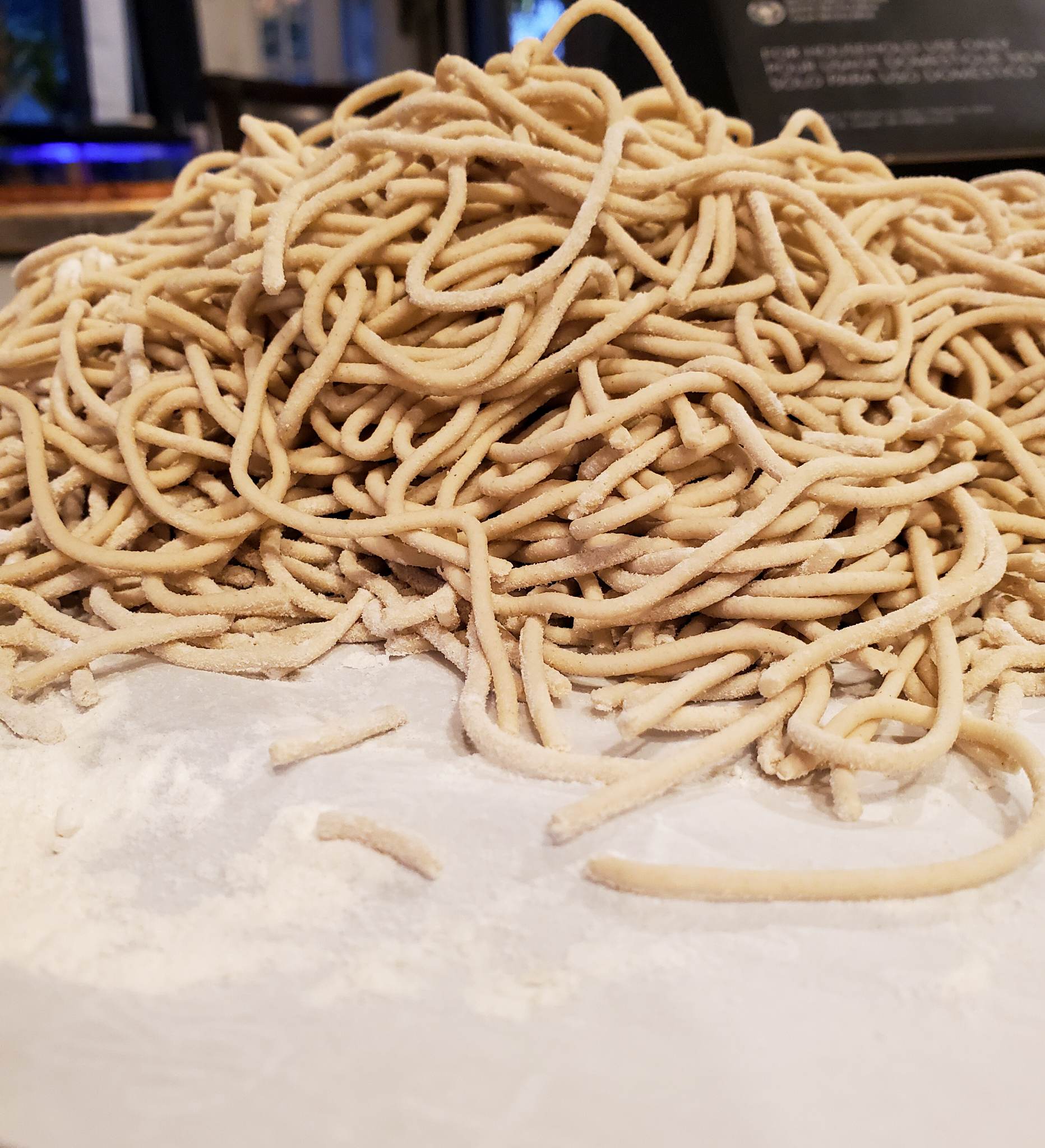
Homemade Stir Fry Noodles: Better Than Takeout in 30 Minutes
Imagine a steaming bowl of perfectly cooked noodles, vibrant vegetables, and your choice of succulent protein, all coated in a rich, savory sauce – and it's ready on your table in less time than it takes for takeout to arrive. This isn't just a fantasy; it's the delicious reality of homemade
stir fry noodles. Forget the bland, overly oily, or questionably sourced ingredients of your local fast-food joint. With a little preparation and a dash of enthusiasm, you can craft a meal that’s not only incredibly satisfying but also fresher, healthier, and tailored precisely to your cravings. Get ready to transform your weeknight dinners and discover why homemade
stir fry noodles are poised to become your new culinary obsession.
Why Homemade Stir Fry Noodles Reign Supreme Over Takeout
The allure of a quick takeout meal is undeniable, especially after a long day. However, the convenience often comes at a cost – both to your wallet and your well-being. Opting for homemade
stir fry noodles offers a wealth of advantages that simply can't be matched by a restaurant order.
Firstly,
freshness and health are paramount. When you cook at home, you have complete control over every ingredient that goes into your dish. This means choosing fresh, quality vegetables, lean proteins, and crafting a sauce free from excessive sodium, unhealthy oils, and artificial additives or MSG. You dictate the amount of oil, the sugar content, and the spice level, ensuring a meal that nourishes your body without compromising on flavor. The crispness of tender-crisp vegetables and the aroma of freshly seared chicken simply can't be replicated after being boxed up and driven across town.
Secondly,
unparalleled customization is at your fingertips. Have a bounty of broccoli and bell peppers in the fridge? They're perfect! Craving chicken, beef, shrimp, or a hearty vegetarian option with tofu? The choice is yours. This dish is inherently versatile, allowing you to adapt it to whatever you have on hand or whatever dietary preferences you might have. This flexibility not only prevents food waste but also ensures every meal feels new and exciting. You can make it as simple or as complex as you like, making it ideal for everything from a quick solo dinner to feeding a hungry family.
Finally, the
speed and simplicity of preparing homemade
stir fry noodles truly makes them a weeknight hero. The promise of "30 minutes from pantry to plate" is not an exaggeration. With a little bit of chopping ahead of time (your "mise en place"), the actual cooking process is incredibly fast, relying on high heat and quick tossing. This means you spend less time slaving over a stove and more time enjoying a mouthwatering, wholesome meal. It’s an efficient, cost-effective, and deeply rewarding culinary experience that will have you saying goodbye to generic takeout menus for good.
The Core Components of Your Perfect Stir Fry
Building the ultimate bowl of
stir fry noodles is all about understanding and balancing its key elements. Each component plays a crucial role in creating that harmonious blend of textures and flavors.
Choosing Your Noodles Wisely
The foundation of any great noodle stir fry lies, of course, with the noodles themselves. The good news is you have a fantastic range of options, each bringing a slightly different texture and absorbency to the dish.
*
Ramen Noodles: Often found dried in instant noodle packets (discard the seasoning!), these curly, quick-cooking noodles are a popular choice. They become wonderfully springy and absorb the sauce beautifully.
*
Lo Mein Noodles: These soft, chewy, and slightly thicker wheat noodles are a classic for stir-frying. They have a satisfying bite and are excellent at carrying the rich sauce.
*
Udon Noodles: Thick, chewy, and robust, udon noodles offer a heartier texture that can stand up to dense sauces and plenty of vegetables.
*
Rice Noodles: A fantastic gluten-free alternative, rice noodles are lighter and soak up flavors incredibly well. They come in various widths, so choose according to your preference.
*
Spaghetti or Linguine: Don't have Asian noodles on hand? No problem! Dried spaghetti or linguine makes a surprisingly effective substitute in a pinch, proving the adaptability of this dish.
No matter your choice, always cook your noodles according to package directions, then drain and rinse them with cold water to stop the cooking process and prevent sticking. A little toss with sesame oil afterward also works wonders in keeping them separate and ready for their starring role.
Protein Powerhouses – From Chicken to Tofu
Adding a protein elevates your
stir fry noodles from a side dish to a complete meal. This is another area where customization truly shines.
*
Chicken: Sliced chicken breast or thigh is a lean and popular choice. For a major time-saver, consider using leftover cooked chicken or even a store-bought rotisserie chicken.
*
Beef: Thinly sliced sirloin or flank steak brings a richer, savory depth. Marinate it briefly for extra tenderness and flavor.
*
Shrimp: Quick-cooking shrimp adds a delicate sweetness and is perfect for a lighter option.
*
Pork: Thin strips of pork tenderloin or loin can be deliciously savory.
*
Tofu: For a fantastic vegetarian or vegan option, firm or extra-firm tofu cubed and pressed (to remove excess water) can be stir-fried until golden and crispy, absorbing all the wonderful sauce flavors.
No matter which protein you select, ensure it's cut into uniform, bite-sized pieces for even and rapid cooking.
A Rainbow of Fresh Vegetables
One of the most appealing aspects of
stir fry noodles is the opportunity to load up on nutritious, colorful vegetables. The beauty here is that almost anything in your fridge can find a home in your wok!
Common and highly recommended vegetables include:
*
Bell Peppers: Sliced into vibrant strips, adding sweetness and crunch.
*
Carrots: Julienne or thinly sliced for a sweet earthiness.
*
Broccoli Florets: Tender-crisp and nutrient-packed.
*
Snap Peas: Offering a delightful crunch and fresh flavor.
*
Mushrooms: Sliced cremini or shiitake add an umami depth.
*
Bok Choy or Cabbage: Wilt down beautifully, adding a subtle bitterness and texture.
*
Zucchini, Cauliflower, Baby Corn, Water Chestnuts: All excellent additions for variety.
The key to perfect stir-fried vegetables is to cut them into similar sizes to ensure they cook evenly. Add harder vegetables (like carrots and broccoli) first, allowing them a bit more cooking time before introducing softer ones (like bell peppers and snap peas) to maintain that coveted tender-crisp texture.
Crafting the Irresistible Stir Fry Sauce
The sauce is the soul of your
stir fry noodles, tying all the diverse ingredients together with a harmonious blend of sweet, savory, and tangy notes. Preparing it in advance is a game-changer, allowing for a seamless cooking process.
A classic stir fry sauce often includes:
*
Soy Sauce (or Tamari for gluten-free): The backbone of savory flavor.
*
Oyster Sauce: Adds a rich, complex umami depth (omit for vegan options).
*
Hoisin Sauce: Provides a touch of sweet and tangy richness.
*
Sesame Oil: For that distinctive nutty aroma and flavor, best added at the end.
*
Brown Sugar or Honey: To balance the savory notes with a hint of sweetness.
*
Cornstarch: A crucial thickening agent, giving the sauce a glossy, clingy texture.
*
Red Pepper Flakes (optional): For a welcome kick of heat.
*
Fresh Garlic & Ginger: Minced, these aromatics are non-negotiable for authentic flavor.
Whisk all the sauce ingredients together in a small bowl until smooth before you begin stir-frying. This ensures a consistent flavor and prevents any lumps from the cornstarch. Remember, you can always adjust the sweetness, spice, or saltiness to suit your personal palate.
Master Your Homemade Stir Fry Noodles: A Step-by-Step Guide
Creating sensational homemade
stir fry noodles is less about complex techniques and more about proper timing and preparation. Follow these steps for a perfect 30-minute meal.
Step 1: Prep Like a Pro (Mise en Place)
This is perhaps the most critical step. Before you even think about heating your wok or skillet, have all your ingredients chopped, sliced, and measured.
* Slice your protein into bite-sized pieces.
* Chop all your vegetables, keeping harder ones separate from softer ones if you plan to add them at different times.
* Mince your garlic and grate your ginger.
* Whisk together all your stir fry sauce ingredients in a small bowl.
Having everything ready ensures a smooth, fast-paced cooking process, which is essential for stir-frying.
Step 2: Noodle Know-How
Bring a large pot of salted water to a rolling boil. Cook your chosen noodles according to the package instructions until al dente. Immediately drain them and rinse thoroughly with cold water to prevent them from overcooking and sticking together. For an extra layer of protection against clumping, toss the cooled noodles with a teaspoon of sesame oil. Set aside.
Step 3: The Sizzle and Sear
Heat a large wok or skillet over high heat until it's very hot. Add a tablespoon of high-smoke-point oil (like vegetable, canola, or peanut oil).
* If adding protein, add it first. Spread it in a single layer and sear without moving for 1-2 minutes until browned, then stir-fry until mostly cooked through. Remove the protein from the pan and set aside.
* Add a little more oil if needed, then add your harder vegetables (e.g., carrots, broccoli). Stir-fry for 2-3 minutes until they start to soften.
* Add your aromatics (garlic and ginger) and cook for another 30 seconds until fragrant.
* Add the remaining, softer vegetables (e.g., bell peppers, snap peas, mushrooms) and stir-fry for 1-2 minutes until tender-crisp.
Step 4: Bring It All Together
Return the cooked protein to the pan with the vegetables. Add the cooked and oiled noodles. Pour the prepared stir fry sauce evenly over everything. Using tongs or spatulas, toss vigorously for 1-2 minutes, ensuring all the noodles, protein, and vegetables are thoroughly coated in the glistening sauce. Continue to cook until the sauce has thickened and is clinging beautifully to the ingredients.
Tips for Perfection and Smart Leftovers
Achieving stir-fry perfection is within reach with a few expert tips, and knowing how to store and reheat your delicious creation ensures no bite goes to waste. For even more ways to personalize your meal, check out our guide on
Ultimate Customizable Stir Fry Noodles: Your Versatile Weeknight Meal.
Stir Fry Success Tips:
*
High Heat is Key: A screaming hot wok or skillet creates that characteristic "wok hei" (breath of the wok) flavor and ensures your ingredients sear rather than steam.
*
Don't Overcrowd the Pan: Cook in batches if necessary, especially if you're making a large quantity. Overcrowding lowers the pan's temperature and leads to soggy results.
*
Taste and Adjust: Before serving, always taste your
stir fry noodles and adjust the seasoning. A dash more soy sauce, a pinch of sugar, or a squeeze of lime can make all the difference.
*
Serve Immediately: Stir fries are best enjoyed fresh off the heat when the vegetables are crisp and the noodles are perfectly coated.
Storage and Reheating:
One of the many perks of homemade
stir fry noodles is that they make fantastic leftovers, perfect for meal prep. They can be stored in an airtight container in the refrigerator for up to 3 days.
*
For Larger Portions: Reheat on the stovetop in a skillet over medium heat. Add a splash of water or unsalted chicken broth to help thin the sauce and rehydrate the noodles, preventing them from drying out.
*
For Individual Portions: The microwave works perfectly. Again, a tablespoon or two of water or broth can revitalize the dish, making it moist and delicious.
Enjoying your delicious creation the next day is a highlight, turning any workday lunch into a gourmet experience. For more insights on making the most of your leftovers, consider our article:
Easy Stir Fry Noodle Recipe: Perfect for Quick Meal Prep & Leftovers.
Homemade
stir fry noodles are more than just a quick meal; they're an experience. They embody convenience, health, and flavor, all customizable to your preference. In just 30 minutes, you can create a meal that truly outshines any takeout option, leaving you with a sense of accomplishment and a truly mouthwatering dish. So, gather your ingredients, fire up your wok, and prepare to embark on a culinary journey that will change your weeknight dinners forever.